
Recovering from a stroke is a life-changing journey. For many people, the first stage of recovery begins in hospital, but rehabilitation often continues long after discharge. Once a stroke survivor returns home, everyday routines, family support, professional care, and consistent rehabilitation all become important parts of rebuilding strength, confidence, and independence.
Post-stroke rehabilitation at home can help people practise essential skills in a familiar environment. This may include walking safely, improving balance, managing personal care, rebuilding communication skills, strengthening affected muscles, and adapting to changes in memory, mood, or concentration. For many families, this period can feel overwhelming, especially when they are learning how to support a loved one while also managing their own emotions and responsibilities.
Caregivers play a vital role in stroke recovery at home. Whether support is provided by family members, friends, or professional stroke care services, the caregiver’s role is not only practical. It is also emotional, motivational, and deeply personal. With patience, structure, and the right guidance, caregivers can help stroke survivors make meaningful progress and regain a greater sense of control over daily life.
Understanding Post-Stroke Rehabilitation
Rehabilitation after stroke is designed to help a person recover as much function as possible and adapt to any long-term changes caused by the stroke. Every recovery journey is different. Some people may regain skills quickly, while others need months or years of ongoing support. Progress may come in small steps, but these small improvements can make a major difference to quality of life.
Stroke rehabilitation support may involve several healthcare professionals, including physiotherapists, occupational therapists, speech and language therapists, nurses, doctors, dietitians, and mental health professionals. Together, they may create a rehabilitation plan based on the survivor’s needs, abilities, and goals.
Common challenges after stroke can include:
Mobility difficulties
Many stroke survivors experience problems with walking, balance, coordination, or moving safely from one position to another. Simple daily activities such as getting out of bed, standing up from a chair, climbing stairs, or walking to the bathroom may become difficult.
Muscle weakness or paralysis
A stroke may cause weakness or paralysis on one side of the body. This can affect the arm, hand, leg, foot, face, or a combination of these areas. Rehabilitation may focus on strengthening muscles, improving movement, reducing stiffness, and encouraging safe use of the affected side.
Speech and communication problems
Some people have difficulty speaking, understanding language, reading, or writing after a stroke. This can be frustrating and isolating. Caregivers can help by allowing extra time, using simple communication methods, and following advice from speech and language therapists.
Cognitive and memory issues
Stroke can affect memory, attention, problem-solving, planning, and decision-making. A person may find it harder to follow instructions, remember appointments, manage medication, or complete familiar tasks. Routines, reminders, and a calm environment can be very helpful.
Emotional and psychological changes
The emotional impact of stroke can be significant. Stroke survivors may feel sadness, anger, anxiety, fear, frustration, or loss of confidence. Some may experience depression or mood changes. Emotional recovery is just as important as physical recovery and should never be ignored.
Consistency is one of the most important parts of rehabilitation. Stroke recovery exercises and daily practice are usually most effective when they are repeated regularly and safely. Caregivers help by creating structure, encouraging participation, and supporting the survivor to keep going even when progress feels slow.
The Caregiver’s Role in Daily Recovery

The caregiver role after stroke often includes a wide range of daily responsibilities. Some tasks may be practical, such as helping with washing or dressing. Others may involve encouragement, observation, communication with professionals, or helping the person maintain a positive routine.
Assisting with personal care and hygiene
After a stroke, a person may need help with bathing, showering, dressing, grooming, toileting, or oral care. These are private and sensitive tasks, so caregivers should aim to protect the person’s dignity and independence as much as possible.
It is important not to take over everything automatically. If the stroke survivor can safely do part of a task, allow them to do so. For example, they may be able to wash their face, brush their hair, or choose their clothes, even if they need help with other parts of the routine. Encouraging independence helps build confidence and supports rehabilitation.
Supporting mobility and safe movement
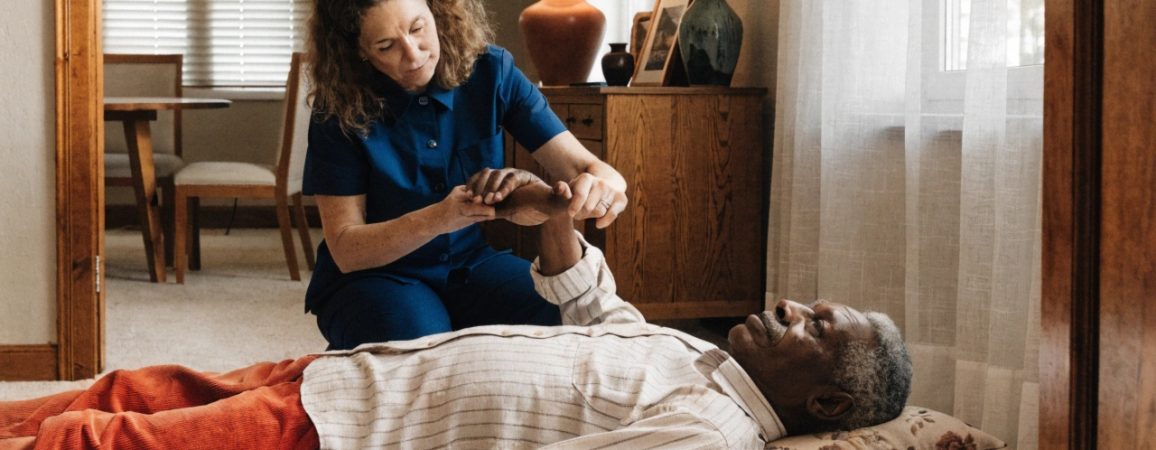
Mobility support is a major part of stroke patient home care. Caregivers may help the person move around the home, transfer from bed to chair, use the bathroom, or practise walking with a frame, stick, or other mobility aid.
Safety is essential. Caregivers should follow advice from physiotherapists or occupational therapists on how to support movement correctly. Pulling on the affected arm, rushing transfers, or using unsafe lifting techniques can increase the risk of injury for both the survivor and the caregiver.
Encouraging rehabilitation exercises
Stroke recovery exercises may be recommended by a physiotherapist, occupational therapist, or speech and language therapist. These exercises may focus on strength, balance, stretching, hand movement, walking, swallowing, speech, or cognitive skills.
Caregivers can help by reminding the person to practise, preparing a safe space, offering encouragement, and keeping exercise sessions calm and manageable. The goal is not to force progress, but to support regular, safe practice. Even small activities, such as standing for a short period, reaching for an object, or practising speech sounds, can contribute to recovery when done consistently.
Helping with medication management
Many stroke survivors need medication after discharge. This may include medicines for blood pressure, cholesterol, blood thinning, diabetes, pain, mood, or other conditions. Caregivers can support medication routines by using pill organisers, written schedules, alarms, or medication charts.
Any missed doses, side effects, confusion, or concerns should be discussed with a doctor, pharmacist, or nurse. Caregivers should not change medication without medical advice.
Monitoring health and wellbeing
Caregivers are often the first people to notice changes in a stroke survivor’s health. This may include changes in mood, appetite, sleep, mobility, speech, pain, confusion, skin condition, or energy levels.
It is also important to know the warning signs of another stroke. Sudden facial drooping, arm weakness, speech difficulty, severe dizziness, sudden confusion, vision changes, or a sudden severe headache should be treated as urgent. Emergency medical help should be sought immediately if stroke symptoms appear.
Maintaining rehabilitation routines
A clear daily routine can help the stroke survivor feel more secure and in control. This may include regular times for washing, meals, medication, rest, therapy exercises, short walks, hobbies, and social contact.
Caregivers can support recovery by following the rehabilitation plan created by healthcare professionals. A routine does not need to be strict or exhausting. It should be realistic, flexible, and based on the person’s abilities and energy levels.
Emotional Support and Motivation
Caring for a stroke survivor is not only about physical help. Emotional support is one of the most powerful forms of care. Stroke can affect a person’s identity, confidence, relationships, and sense of independence. Many survivors grieve the sudden changes in their body, lifestyle, or future plans.
Caregivers can help by listening patiently, offering reassurance, and recognising the person’s efforts. Simple words such as “You are doing well,” “Let’s try one step at a time,” or “I know this is difficult, but I’m here with you” can provide comfort and motivation.
Building confidence
Confidence often returns gradually. A stroke survivor may be afraid of falling, embarrassed about speech difficulties, or worried about needing help. Caregivers can build confidence by celebrating small achievements and encouraging safe independence.
For example, progress may include standing for a few seconds longer, walking to another room, remembering part of a routine, using a weaker hand during an activity, or speaking a few clearer words. These milestones matter.
Promoting independence
It can be tempting for caregivers to do everything for the person, especially when tasks take longer than before. However, doing too much can sometimes reduce the survivor’s opportunity to practise important skills.
A helpful approach is to support rather than replace. Give the person time. Break tasks into smaller steps. Offer help only where needed. This encourages independence while still keeping the person safe.
Recognising signs of depression or anxiety
Emotional changes after stroke are common, but they should be taken seriously. Caregivers should look out for signs such as persistent sadness, loss of interest, withdrawal from family, hopelessness, irritability, sleep problems, changes in appetite, anxiety, or lack of motivation.
If these signs continue or worsen, it is important to speak with a healthcare professional. Emotional recovery may require counselling, medication, support groups, or other forms of professional help.
Creating a Safe Home Environment
A safe home environment is essential for stroke recovery at home. After a stroke, the risk of falls and injuries may increase due to weakness, poor balance, vision changes, dizziness, or confusion. Small changes to the home can make daily life safer and easier.
Preventing falls and injuries
Caregivers should remove trip hazards such as loose rugs, clutter, trailing wires, and unstable furniture. Floors should be kept clear, dry, and well lit. Non-slip mats can be used in the bathroom, and supportive footwear can help reduce the risk of slipping.
Stairs, bathrooms, and bedrooms are common areas where falls can happen. Handrails, grab rails, raised toilet seats, shower chairs, and bed rails may be recommended by an occupational therapist.
Adapting living spaces
Home adaptations should be based on the person’s needs. This may include moving a bed downstairs, rearranging furniture to create wider walking space, placing frequently used items within easy reach, or setting up a comfortable chair with good support.
The aim is to make the home easier to navigate while encouraging as much independence as possible.
Using mobility aids and assistive equipment
Mobility aids and assistive equipment can support safety and independence. These may include walking sticks, frames, wheelchairs, transfer boards, grab rails, adapted cutlery, dressing aids, medication dispensers, or communication tools.
Caregivers should make sure equipment is used correctly and maintained properly. If an aid no longer seems suitable, advice should be requested from a healthcare professional.
Establishing safe daily routines
A predictable routine can reduce confusion and stress. Caregivers can support safety by encouraging the person to move slowly, use mobility aids correctly, sit before dressing, avoid rushing to the bathroom, and rest when tired.
Fatigue is common after stroke. Pushing too hard can lead to frustration or increased risk of falls. A good routine balances activity with rest.
Working with Healthcare Professionals
Successful post-stroke rehabilitation at home usually involves teamwork. Caregivers, family members, and professionals all have important roles to play.
Communicating with therapists, nurses, and doctors
Caregivers can help by attending appointments when appropriate, asking questions, taking notes, and sharing observations about daily progress or difficulties. Healthcare professionals may not see what happens every day at home, so caregiver feedback can be very valuable.
Useful information to share may include changes in mobility, pain, mood, sleep, appetite, speech, memory, continence, medication side effects, or falls.
Following rehabilitation plans
Therapists may provide specific exercises, positioning advice, communication strategies, swallowing guidance, or recommendations for daily activities. Caregivers should follow these instructions carefully and ask for clarification if anything is unclear.
It is important to avoid exercises or techniques that have not been recommended, especially if the person has weakness, pain, swallowing difficulties, or a high risk of falling.
Tracking progress and milestones
Keeping a simple recovery diary can help families see progress over time. This may include notes about walking distance, exercise practice, mood, appetite, speech improvements, sleep, medication, appointments, and any concerns.
Tracking progress can also help healthcare professionals adjust the care plan when needed.
Knowing when to seek additional medical support
Caregivers should seek medical advice if they notice sudden changes, worsening symptoms, new pain, breathing difficulties, swallowing problems, signs of infection, repeated falls, pressure sores, severe confusion, or changes in consciousness.
Emergency help should be sought immediately if signs of another stroke appear.
Challenges Caregivers May Face
Caring for a stroke survivor can be rewarding, but it can also be physically and emotionally demanding. Many caregivers suddenly find themselves managing personal care, medication, appointments, household tasks, emotional support, and financial or work responsibilities.
Physical and emotional demands
Helping with mobility, personal care, and daily routines can be tiring. Caregivers may also feel sadness, worry, guilt, frustration, or pressure to stay strong. These feelings are normal, but they should not be ignored.
Caregivers need support too. Looking after your own wellbeing is not selfish. It helps you provide better care over the long term.
Risk of caregiver burnout
Burnout can happen when a caregiver is under prolonged stress without enough rest or support. Signs may include exhaustion, irritability, poor sleep, anxiety, low mood, loss of patience, physical aches, or feeling unable to cope.
Recognising burnout early is important. Caregivers should speak with family members, friends, healthcare professionals, or care providers before reaching crisis point.
Importance of respite care and support networks
Respite care gives caregivers time to rest, attend appointments, work, spend time with family, or simply recover their energy. This may be arranged through professional home care for stroke patients, day services, short-term care, or support from trusted relatives and friends.
Support groups can also be helpful. Speaking with others who understand stroke recovery can reduce isolation and provide practical advice.
Self-care tips for caregivers
Caregivers should try to protect their own health by eating regularly, getting enough sleep, staying active, attending their own medical appointments, and accepting help when it is offered.
It can also help to set realistic expectations. Recovery is rarely a straight line. Some days will be better than others. Caregivers do not need to be perfect. They need support, information, patience, and rest.
Benefits of Professional Home Care Support
Professional stroke care services can provide valuable support for both the stroke survivor and the family. Trained caregivers can help with personal care, mobility support, meal preparation, medication reminders, companionship, safety monitoring, and daily routines.
Professional home care for stroke patients does not replace medical rehabilitation, but it can complement the work of therapists and healthcare professionals. Care teams can help ensure that the person’s daily care is consistent, respectful, and focused on independence.
Specialist support at home
Some care providers have experience in stroke patient home care and understand the common challenges of rehabilitation after stroke. They can support safe movement, encourage prescribed exercises, help with communication needs, and provide reassurance during difficult moments.
For families, professional support can reduce pressure and create a more balanced care arrangement. It allows relatives to spend more quality time with their loved one rather than feeling responsible for every task alone.
Complementing family caregiving
Family caregivers know the stroke survivor personally. They understand their preferences, personality, routines, and history. Professional caregivers bring training, structure, and practical support. Together, this partnership can create a stronger care environment.
A professional caregiver may visit for a few hours a week, provide daily support, help overnight, or offer live-in care depending on the person’s needs. The right level of support can improve safety, reduce stress, and help the survivor maintain dignity and independence at home.
Improving quality of life
Good home care for stroke patients is not only about completing tasks. It is about helping the person live as fully as possible. This may include supporting hobbies, encouraging social contact, helping the person go outside safely, preparing familiar meals, or simply offering conversation and companionship.